
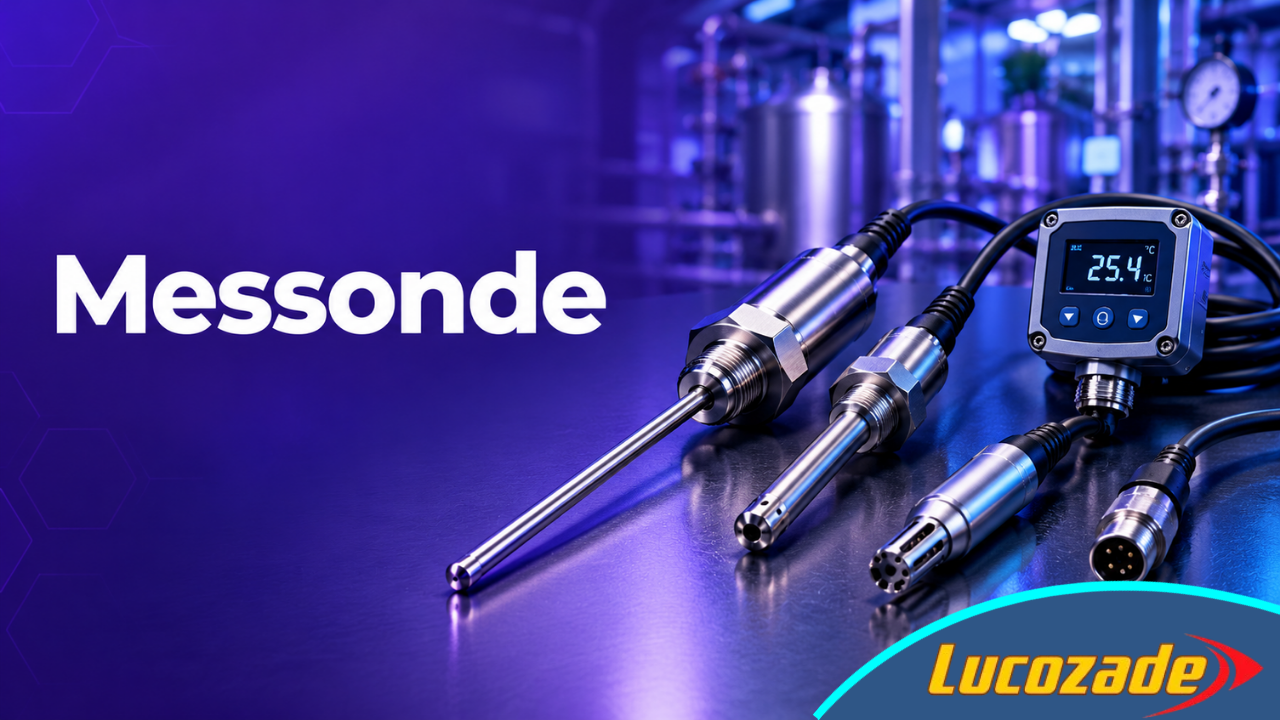
Messonde is a term most commonly associated with a measuring probe or sensor used to detect and measure a physical or chemical condition. In technical contexts, it is closely connected with the German word “Messsonde,” which can describe a measuring probe, test probe or sensor. Search results for the term also show that it may appear as a shortened or alternative spelling, so its exact meaning can depend on where it is used.
A measuring probe is essentially the part of an instrument that interacts with the thing being measured. It may touch a surface, enter a liquid, sit inside a pipe or monitor conditions in air or another environment. Depending on its design, it can detect temperature, pressure, thickness, oxygen concentration, moisture, chemical properties or other measurable conditions.
Understanding the term therefore starts with the basic idea of sensing. Rather than being one single universal device, Messonde can refer to a broad category of measuring technology in which a probe gathers information and an instrument turns that information into a useful reading.
What Does Messonde Mean?
Messonde is generally encountered in technical, engineering, scientific and translated German-language material. The German term “Messsonde” combines the idea of measurement with a probe, making “measuring probe” a useful English description. Several current search results specifically connect Messonde with measuring probes and sensors.
The important point is that the word does not necessarily identify one particular product or model. A probe can be designed for a very specific measurement, and its construction depends heavily on the environment in which it will operate.
For example, one probe may be built to measure temperature inside industrial equipment, while another may be designed to determine the thickness of a coating on a surface. Both perform a measuring function, but their sensors, materials, shape and operating principles can be completely different.
How a Measuring Probe Works
The basic principle behind a Messonde is straightforward: the probe detects a property, converts that information into a measurable signal and allows connected equipment to display or process the result.
The sensing method varies according to the measurement being taken. A temperature probe might use a resistance-based sensor or another temperature-sensitive element. A pressure probe may respond to mechanical force, while a chemical sensor can react to the presence or concentration of a particular substance.
A typical measurement process can be understood through these stages:
- The probe is positioned where the measurement needs to be taken.
- Its sensing element interacts with the material or environment.
- A physical or chemical change is detected.
- The sensor converts that change into an electrical or other usable signal.
- Connected electronics interpret the signal.
- The final measurement is displayed, recorded or used by another system.
This explains why the probe is often such an important part of a larger measuring instrument. The quality of the final reading depends not only on the electronics but also on whether the probe is appropriate for the job.
Different Types of Measuring Probes
There is no single type of Messonde suitable for every application. Probes are normally designed around the property being measured and the environment in which they will be used.
Temperature probes are among the most familiar examples. They are used in laboratories, manufacturing systems, heating equipment, refrigeration and many other applications where monitoring temperature is important.
Pressure probes are designed to detect pressure in gases or liquids. They can be found in industrial machinery, fluid systems and monitoring equipment.
Other probes may be designed for:
- Oxygen measurement
- Moisture detection
- Chemical analysis
- Surface measurement
- Thickness measurement
- Liquid-level monitoring
- Electrical measurements
- Gas detection
- Environmental monitoring
The range is broad because modern measurement systems deal with many different variables. A probe must therefore be matched carefully to the property that needs to be measured.
Where Messonde Technology Is Used
Measuring probes have applications across everyday technology as well as specialist industries. Their purpose is usually to provide information that cannot be obtained reliably through simple visual observation.
In manufacturing, probes can help monitor production conditions and verify whether materials or components meet required specifications. In laboratories, they can collect precise information during experiments and testing.
Environmental monitoring is another important area. Sensors and probes can be used to observe conditions such as temperature, moisture, gases or water quality.
In industrial systems, a probe may also operate continuously rather than being used for a single manual measurement. It can remain installed in equipment and provide data to a control system, allowing operators to monitor changing conditions.
Measuring Surface Thickness
One particularly useful application associated with measuring probes is thickness measurement. The search results for Messonde include examples of probes designed for coating and layer-thickness measuring instruments, showing how the term can appear in specialised measurement equipment.
A thickness probe is useful when the user needs to determine the depth of a coating or material layer without relying on visual inspection alone.
For example, industrial surfaces may have protective coatings that need to remain within a particular thickness range. A suitable measuring probe can help inspect those surfaces and provide a numerical result.
The exact technique depends on the instrument and material being examined. This is why the probe and measuring device normally need to be considered together rather than as completely separate pieces of equipment.
Why Probe Design Matters
The physical design of a Messonde can have a major effect on how effectively it performs its job. A probe intended for a laboratory liquid measurement will have different requirements from one installed inside industrial machinery.
Important design considerations can include:
- The material being measured
- Temperature range
- Pressure conditions
- Chemical exposure
- Required measurement range
- Contact or non-contact operation
- Probe size and shape
- Installation method
- Response time
- Required measurement accuracy
A probe used in a harsh environment may need protective materials and specialised construction. In contrast, a simple handheld probe may prioritise convenience and easy positioning.
This is why selecting a probe should begin with the measurement requirement rather than simply choosing the most sophisticated-looking device.
Contact and Non-Contact Measurement
Some measuring probes need direct contact with the object or substance being examined. Contact measurement can provide useful information when the sensing element needs to interact directly with the target.
Other systems can measure without direct physical contact. This can be valuable when touching the surface could damage the object, interfere with the process or create a safety concern.
The choice between contact and non-contact measurement depends on the application. Factors such as the target material, distance, environmental conditions and required accuracy all influence which approach is appropriate.
Accuracy and Reliable Measurements
A good measurement is more than simply obtaining a number from a display. The measurement system must be suitable for the application, and the probe must be used correctly.
Probe position can matter, especially when measuring temperature, thickness or chemical conditions. The surrounding environment can also influence the result.
Calibration is another important consideration. Depending on the instrument and application, calibration helps ensure that the measuring system continues to produce results that are consistent with an appropriate reference.
Users should also follow the manufacturer’s operating instructions. A probe designed for one measurement range should not automatically be assumed to work accurately outside that range.
Choosing the Right Messonde
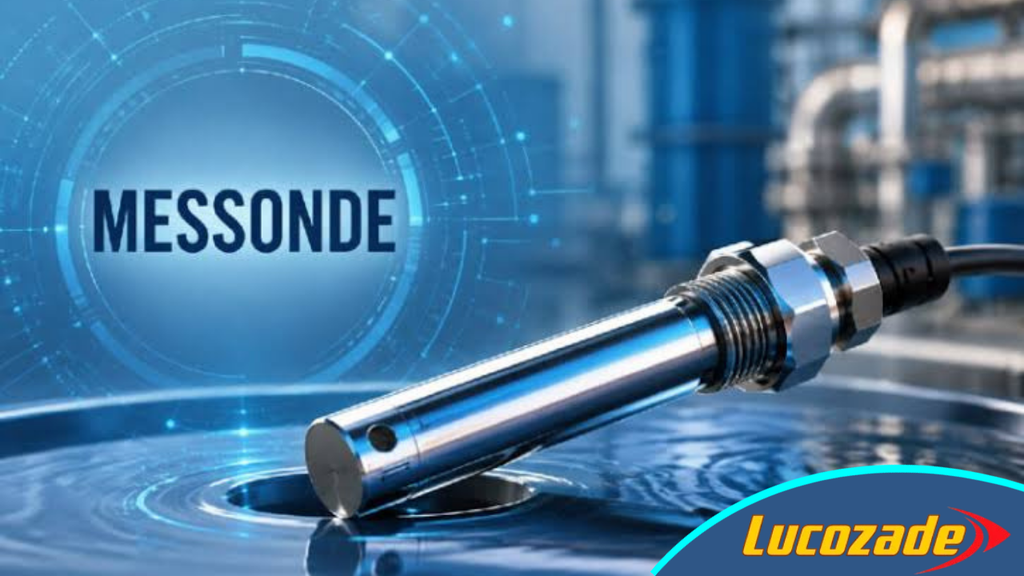
Because the term can refer broadly to a measuring probe, choosing the right device requires looking beyond the name itself.
Start by identifying exactly what needs to be measured. Is it temperature, pressure, thickness, moisture, oxygen or another property? Once that is clear, the required measurement range can be established.
The environment should then be considered. A probe used in a hot industrial process has different requirements from one used in a room-temperature laboratory.
It is also useful to consider:
- Measurement range
- Accuracy requirements
- Probe dimensions
- Material compatibility
- Operating temperature
- Installation method
- Response time
- Connection type
- Calibration requirements
- Compatibility with the measuring instrument
A technically advanced probe is not necessarily the best choice if it does not match the application. Compatibility and suitability are usually more important than simply choosing the most expensive option.
Messonde in Industrial and Scientific Work
In professional environments, measuring probes form an important connection between the physical world and digital measurement systems. Machines and software can process data, but they need a sensing mechanism to collect information from the real environment.
A probe can therefore act as the first stage of a larger monitoring process. Its measurement may be sent to a display, data logger, controller or computer system.
This makes probe technology important in automation as well. Continuous measurements can allow systems to respond when a temperature, pressure or other condition changes.
In scientific work, probes similarly help researchers observe conditions that may change over time. The ability to take repeatable measurements can be essential when comparing results or monitoring an experiment.
The Difference Between a Probe and a Complete Measuring Instrument
It is useful to distinguish a Messonde from the complete measuring system. A probe is generally the sensing component, while the complete instrument may include electronics, a display, controls, software and data-recording functions.
Think of the probe as the part that gathers information and the instrument as the system that interprets and presents it.
Some products combine everything into one handheld device, making the distinction less obvious. In other systems, the probe is connected to a separate meter or controller.
This distinction becomes especially important when replacing a probe. A replacement needs to be compatible with the instrument and suitable for the intended measurement.
Why the Term Can Be Confusing
The spelling Messonde can create uncertainty because German technical terminology may appear in translated product descriptions, search results and international equipment documentation. Current search results describe Messonde as being closely associated with “Messsonde,” while some sources treat it as an alternative or misspelled form.
For someone researching the term, this means context matters. If Messonde appears alongside technical equipment, sensors, measurement ranges or probes, it is likely referring to measuring-probe technology.
Rather than assuming that Messonde is the name of one specific machine, it is more useful to examine the surrounding product or technical information to determine exactly what type of probe is meant.
Practical Examples of Measuring Probes
The concept becomes easier to understand through everyday examples.
A temperature probe can be inserted into a liquid to monitor its temperature. A pressure probe can be installed in a system carrying gas or liquid. A thickness probe can be placed against a suitable surface to determine the thickness of a coating or layer.
In a laboratory, a probe may continuously monitor a changing condition during an experiment. In an industrial plant, a permanently installed sensor may provide data to a control system.
Although these examples use different technologies, they share the same basic purpose: turning a physical or chemical condition into useful measurement information.
Conclusion
Messonde is best understood as a term associated with a measuring probe, particularly in connection with the German technical word “Messsonde.” It does not necessarily describe one specific device; instead, it can relate to different types of probes designed to measure conditions such as temperature, pressure, thickness, moisture, oxygen or other properties.
The most important factor is the application. A suitable probe must match the property being measured, the operating environment, the required range and the measuring instrument it connects to. Once this context is understood, Messonde becomes much easier to recognise as part of the wider world of sensors and measurement technology.
Frequently Asked Questions
What does Messonde mean?
Messonde generally refers to a measuring probe or sensor and is closely associated with the German term “Messsonde.”
Is Messonde a specific type of measuring device?
Not necessarily; the term can describe different measuring probes depending on the technical context.
What can a Messonde measure?
Depending on its design, a probe can measure temperature, pressure, thickness, moisture, oxygen, chemical conditions and other physical properties.
Where are measuring probes used?
They are used in laboratories, manufacturing, industrial systems, environmental monitoring and many other technical applications.
How does a measuring probe work?
A sensing element detects a physical or chemical condition and converts it into a signal that measuring equipment can interpret.
What is the difference between a probe and a measuring instrument?
The probe usually performs the sensing, while the complete measuring instrument processes, displays or records the resulting measurement.
Does every Messonde require direct contact?
No; some probes require contact with the target, while other measurement systems can operate without direct physical contact.
How do I choose the right Messonde?
Choose a probe based on what needs to be measured, the required range and accuracy, the operating environment and compatibility with the measuring instrument.
Also Read: Jeannine Belleguic
