
Staying active is about more than completing a tough workout or pushing yourself through a long run. It is about building everyday habits that help you feel good, maintain your energy, and recover properly after physical activity. Whether you enjoy cycling through the countryside, heading to the gym after work, playing football with friends, or simply trying to fit more movement into your daily routine, the right approach to hydration and nutrition can make a noticeable difference.
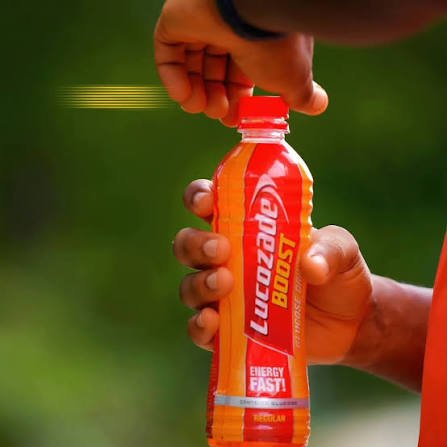
For many people, sports drinks such as Lucozade are part of that conversation. Alongside sensible eating, adequate rest, and regular exercise, understanding when to use an energy or sports drink can help you make choices that suit your individual needs. Even small details, from planning your workout to preparing clear fitness content using tools such as a JPG to PNG converter, can make it easier to stay organized and share your active lifestyle with others.
Understanding the Role of Lucozade in an Active Lifestyle
Lucozade is a familiar name in the sports and energy drink market, but it is worth understanding that different products serve different purposes. Some drinks are designed to provide carbohydrates during physical activity, while others are marketed primarily for an energy boost.
That distinction matters because not every activity requires the same nutritional support.
For example, someone going for a gentle 20-minute walk will generally have different needs from a runner preparing for a half-marathon. Similarly, a person playing a demanding football match may benefit from a different hydration strategy than someone completing a short strength-training session.
The most useful approach is to consider the duration and intensity of your activity, the temperature, how much you sweat, and whether you have eaten recently.
A sports drink can have a place in a training routine, but it should complement sensible nutrition rather than replace it.
Hydration: The Foundation of Better Performance
Water plays an essential role in regulating body temperature, transporting nutrients, and supporting normal muscle function. When you exercise, especially in warm weather, you lose water through sweat. If those losses become substantial, dehydration can affect how you feel and perform.
You do not need an elaborate hydration plan for every workout. For most everyday activities, drinking water regularly and responding to thirst is a practical starting point.
However, longer or more intense sessions may require additional attention.
Before exercise
Start your activity comfortably hydrated. Drink water throughout the day rather than trying to compensate by drinking a large amount immediately before exercising.
If you are planning a long run, a demanding cycling session, or an outdoor sports match, think about the weather and how much fluid you typically lose through sweating.
During exercise
For shorter sessions, water is often sufficient. During prolonged exercise, particularly in hot conditions, a suitable sports drink may help replace fluids and provide carbohydrates and electrolytes.
Avoid assuming that more fluid is always better. Drinking excessive amounts in a short period can also be dangerous. Your needs depend on your body, activity, and environment.
After exercise
Replace fluids gradually after your workout. If you have exercised intensely or sweated heavily, drinking water alongside a balanced meal or snack can help you recover.
For particularly demanding sessions, a drink containing electrolytes may be useful, depending on your individual requirements.
Energy Drinks and Sports Drinks Are Not the Same Thing
The terms energy drink and sports drink are sometimes used interchangeably, but they are not identical.
Sports drinks are generally intended to support hydration and, in some circumstances, provide carbohydrates during exercise. Energy drinks may contain caffeine or other stimulating ingredients and are designed to increase alertness or provide a perceived energy boost.
Understanding the difference helps you choose a product for the right reason.
If your goal is to fuel a long training session, look at the carbohydrate content and electrolyte composition. If you are considering a caffeinated product, pay attention to the caffeine amount, your tolerance, and the time of day.
Caffeine can interfere with sleep, particularly when consumed later in the day. Sleep, meanwhile, is a major part of recovery and can influence how energetic you feel the following morning.
It is also important to check sugar content. Some sports and energy drinks contain significant amounts of sugar, which may be useful as a source of fuel during prolonged exercise but unnecessary during a short, low-intensity workout.
Reading the label is more useful than relying on the product category alone.
Matching Your Drink to Your Workout
One of the easiest ways to make smarter choices is to match your hydration strategy to your activity.
Short gym sessions
If you are lifting weights for 30 to 45 minutes in a comfortable indoor environment, water will generally be enough for hydration. Eating regular, balanced meals should provide the energy needed for most sessions.
A sports drink is not automatically necessary simply because you are exercising.
Long-distance running and cycling
Endurance activities place greater demands on your body’s energy and fluid reserves. During prolonged sessions, carbohydrates can help sustain performance, while fluids and electrolytes may help address sweat losses.
This is where a suitable sports drink may be more useful. Test your approach during training rather than trying something unfamiliar on race day.
Team sports
Football, rugby, and other intermittent sports combine periods of intense effort with shorter recovery periods. Warm conditions and extended playing time can increase fluid requirements.
Depending on the length and intensity of the session, water may be sufficient, or a sports drink may be helpful. Consider the conditions and your personal needs rather than following a one-size-fits-all rule.
Everyday movement
Walking, light stretching, and casual cycling generally do not require specialist sports nutrition. Water, regular meals, and a consistent routine are usually the most practical choices.
The important point is that effective exercise habits do not need to be complicated or expensive.
Fuel Your Body Before and After Training
Hydration is only one part of the picture. Food provides the energy and nutrients your body needs to move, recover, and adapt to exercise.
Before a demanding workout, a meal or snack containing carbohydrates can help provide fuel. A banana, a bowl of porridge, or toast with a suitable topping can work well, depending on how much time you have before exercising.
Large meals immediately before intense activity may cause discomfort, so give yourself enough time to digest.
After training, focus on a balanced meal containing carbohydrates, protein, and other essential nutrients. For example, rice with chicken and vegetables, a bean-based meal, or yoghurt with fruit and oats can contribute to recovery.
Protein supports muscle repair, while carbohydrates help replenish energy stores after demanding exercise.
You do not need to rely on a particular drink to meet these needs. Everyday foods can provide much of the nutrition required for a consistent and active lifestyle.
Building Habits That Last Beyond the Gym
It is tempting to concentrate on individual products, workout plans, or performance targets. Yet the habits surrounding exercise often have a greater influence on long-term progress.
Start by choosing activities you genuinely enjoy. If you dislike running, walking, swimming, dancing, or cycling may be better ways to build consistency.
Set realistic goals, too. Instead of committing to an ambitious daily workout schedule immediately, begin with a routine you can maintain alongside work, family responsibilities, and other commitments.
Keep an eye on sleep, stress, and recovery. Feeling unusually tired every day is not necessarily a sign that you need an energy drink; it may indicate that you need more rest, better nutrition, or a manageable training load.
If fatigue is persistent or unexplained, consider speaking with a healthcare professional.
Finally, make preparation easy. Keep a reusable water bottle available, plan meals ahead of busy days, and organize your exercise equipment so that getting started requires less effort.
Small habits, repeated consistently, are often more valuable than occasional bursts of motivation.
Conclusion
Lucozade products may fit into some exercise routines, particularly when prolonged activity creates a need for additional carbohydrates or electrolytes. However, the best approach to an active lifestyle starts with understanding your needs, staying appropriately hydrated, eating balanced meals, and allowing enough time for recovery.
Choose drinks based on the activity rather than habit or advertising, pay attention to ingredients, and remember that water and everyday foods remain essential foundations of good health. With practical planning and consistent habits, you can support your energy, enjoy movement, and build a routine that works for the long term.