
Online gaming has become a popular way for people to connect, compete, and spend time with friends. From building virtual worlds to surviving challenging multiplayer adventures, players want an environment that offers stability and flexibility. This is where gaming private hosting becomes useful. It allows gamers to create their own multiplayer spaces, manage access, and customize different settings according to their preferences. Whether you are planning to host a small server for friends or build a gaming community, understanding how private hosting works can help you make the right choice.
What Is Gaming Private Hosting?
Gaming private hosting refers to using a privately managed server to run multiplayer games. Instead of relying on a public server, players can create a separate environment where they have more control over gameplay and server management.
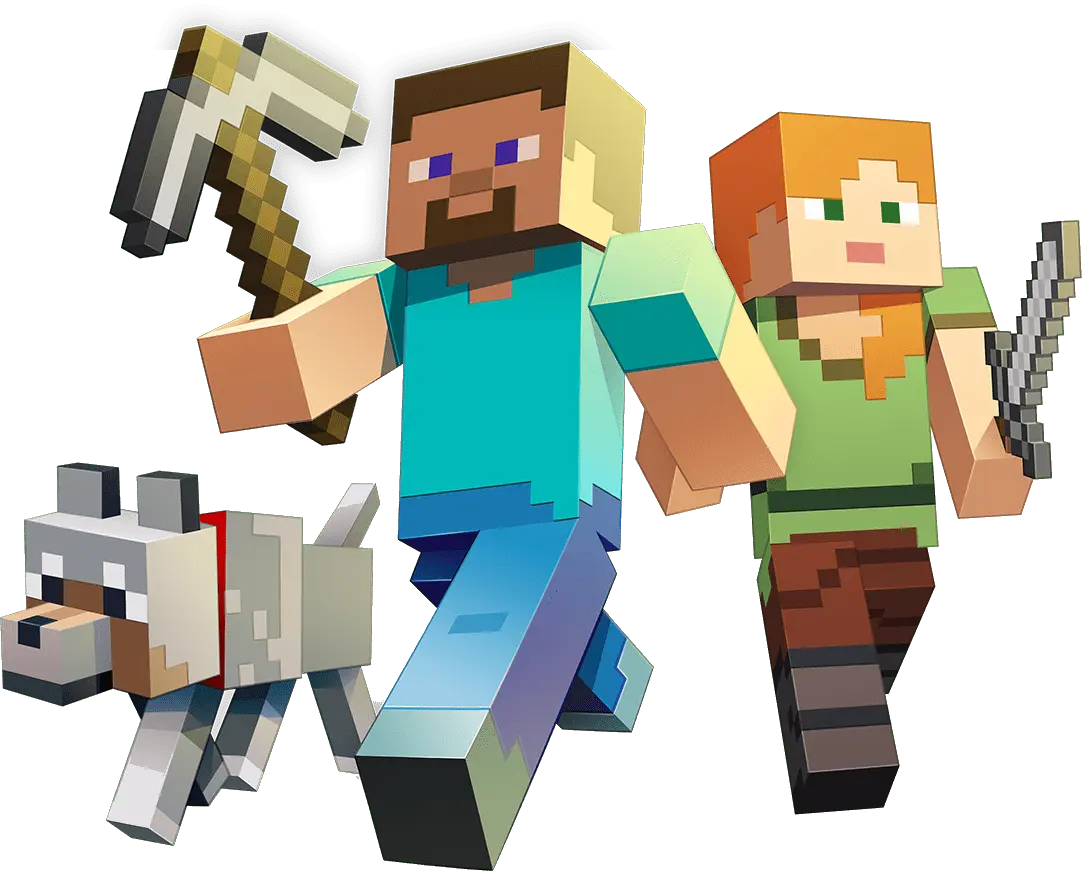
For example, a group of friends playing Minecraft can create a private world where everyone can build, explore, and complete challenges together. The server administrator decides who can join and which settings are available.
Depending on the game and hosting package, private servers may support features such as:
- Custom game configurations.
- Player access management.
- Supported plugins and modifications.
- Regular server backups.
- Dedicated resources for multiplayer sessions.
These options make private hosting appealing to gamers who want a more personalized experience.
Why Do Gamers Choose Private Servers?
Public servers are convenient, but they do not always offer the level of control that some players expect. Private servers provide an alternative for people who want to manage their own gaming environment.
More Control Over Players
One of the main advantages is the ability to decide who can access the server. Administrators can invite friends, manage permissions, and establish rules for their gaming community.
This is particularly useful for players who prefer smaller groups rather than crowded public environments.
A Customized Gaming Experience
Every gaming community has different interests. Some players enjoy traditional gameplay, while others prefer additional challenges, custom maps, or modifications.
Private hosting makes it easier to adjust supported settings and create an experience that matches the group’s preferences.
A Consistent Place to Play
With a privately managed server, players can return to the same gaming environment whenever they want, provided the server is running and accessible.
This is useful for long-term multiplayer projects, survival worlds, and communities that organize regular gaming sessions.
Important Features to Consider When Choosing a Hosting Provider
Finding a suitable hosting provider requires more than comparing prices. The quality of the service and the resources included in a package can influence the overall gaming experience.
Server Performance and Resources
Performance should be one of your first considerations. A server needs enough processing power and memory to handle the selected game and its expected player activity.
For example, a small vanilla Minecraft server may need fewer resources than a heavily modified server with numerous players.
Before choosing a package, consider:
- Available RAM.
- CPU performance.
- Storage capacity.
- Expected number of players.
- Additional resource requirements for mods and plugins.
Selecting an appropriate configuration can help prevent performance problems as your gaming community grows.
Reliable Network Connection
A stable internet connection is essential for multiplayer gaming. High latency can cause delays between player actions and server responses, making games less enjoyable.
Server location can also influence connection quality. Choosing a location close to most players may help reduce latency.
It is worth checking the provider’s available locations and network information before making a purchase.
Security and DDoS Protection
Online gaming servers can experience unwanted traffic and security threats. Distributed denial-of-service attacks, commonly known as DDoS attacks, can overwhelm server resources and interrupt normal activity.
A hosting provider that offers DDoS protection can help reduce this risk.
You should also follow basic security practices, including using strong passwords, limiting administrative permissions, and keeping regular backups.
Easy Server Management
Managing a game server should not become a complicated task. A straightforward control panel can make everyday administration much easier, particularly for beginners.
Useful features may include:
- Starting and stopping the server.
- Changing configuration files.
- Installing compatible modifications.
- Managing player permissions.
- Checking server activity.
- Creating backups.
Before purchasing a hosting package, check which management tools are included and whether they support your preferred game.
Popular Games That Can Benefit From Private Hosting
Different games offer different multiplayer experiences, and their hosting requirements can vary considerably.
Minecraft
Minecraft is one of the most popular choices for private multiplayer servers. Players can create survival worlds, build large structures, explore different environments, and enjoy creative projects together.
Server owners can also install compatible plugins and modifications to introduce new features. However, larger worlds and heavily modified setups may require additional resources.
Rust
Rust is a multiplayer survival game where players collect resources, build bases, and compete against other players. A private server allows administrators to manage gameplay settings and create a community with specific rules.
Terraria
Terraria offers exploration, crafting, and cooperative adventures. Friends can share the same world, defeat challenging enemies, and progress through different stages of the game.
A private server can make these shared adventures easier to organize.
Project Zomboid
Project Zomboid focuses on survival in a challenging post-apocalyptic environment. Multiplayer hosting allows friends to build shared communities, collect supplies, and work together to survive.
Before selecting a hosting plan, make sure the provider supports your chosen game and its required server software.
How to Choose the Right Hosting Plan
The right hosting plan depends on how you intend to use your server. Buying the most expensive package does not always make sense, especially if you only plan to play with a few friends.
Start by estimating the number of players who will regularly join. Then consider whether you intend to use additional modifications or run demanding server configurations.
It is also useful to check whether the hosting provider allows you to upgrade your package later. This flexibility can become important if your community expands.
Other factors worth comparing include:
- Monthly and annual pricing.
- Available server locations.
- Backup options.
- Customer support availability.
- Upgrade and cancellation policies.
- Supported games and modifications.
Taking time to review these details can help you avoid paying for resources you do not need.
Common Mistakes to Avoid
Even a good hosting service may not deliver the expected results if the server is poorly configured. New server owners should be aware of a few common mistakes.
Choosing a plan based only on price: Cheap packages may have limited resources or restrictions. Always review the specifications before purchasing.
Ignoring server requirements: Different games need different configurations. Check the recommended requirements for your selected game.
Installing too many modifications: Unsupported or incompatible plugins can cause crashes and other technical problems.
Forgetting regular backups: Losing saved worlds or important configuration files can be frustrating. Schedule backups to protect your progress.
Overlooking customer support: Reliable assistance can save time when technical issues occur. Check the available support channels before committing to a provider.
How to Keep Your Gaming Server Running Smoothly
After setting up a private server, regular maintenance helps keep everything organized.
Start by installing compatible updates whenever they become available. Before making major changes, create a backup so you can restore the previous configuration if something goes wrong.
Monitor resource usage regularly, especially when more players start joining. If the server begins experiencing lag, investigate whether the problem is related to memory, CPU usage, network connectivity, or installed modifications.
It is also important to review player permissions from time to time. Only trusted individuals should have administrative access because they can make changes that affect the entire server.
These simple practices can make long-term server management much easier.
Is Private Gaming Hosting Worth It?
Private hosting can be a worthwhile option for people who regularly play multiplayer games and want more control over their gaming environment.
It is particularly useful for groups of friends, gaming communities, and players who enjoy customizing their experiences. Instead of depending entirely on public servers, they can create an environment that reflects their own preferences.
However, private hosting is not necessary for everyone. Casual players who occasionally join multiplayer sessions may find public servers more convenient.
The best decision depends on your gaming habits, technical requirements, and budget. Compare available features carefully and choose a package that provides the resources you actually need.
Final Thoughts
Creating a private gaming environment can make multiplayer experiences more personal, organized, and flexible. From choosing suitable server resources to managing players and installing modifications, every decision contributes to the overall experience.
Before selecting a provider, consider performance, network reliability, security, customer support, and pricing. A little research beforehand can help you find a suitable solution and enjoy your favorite games with friends without unnecessary complications.